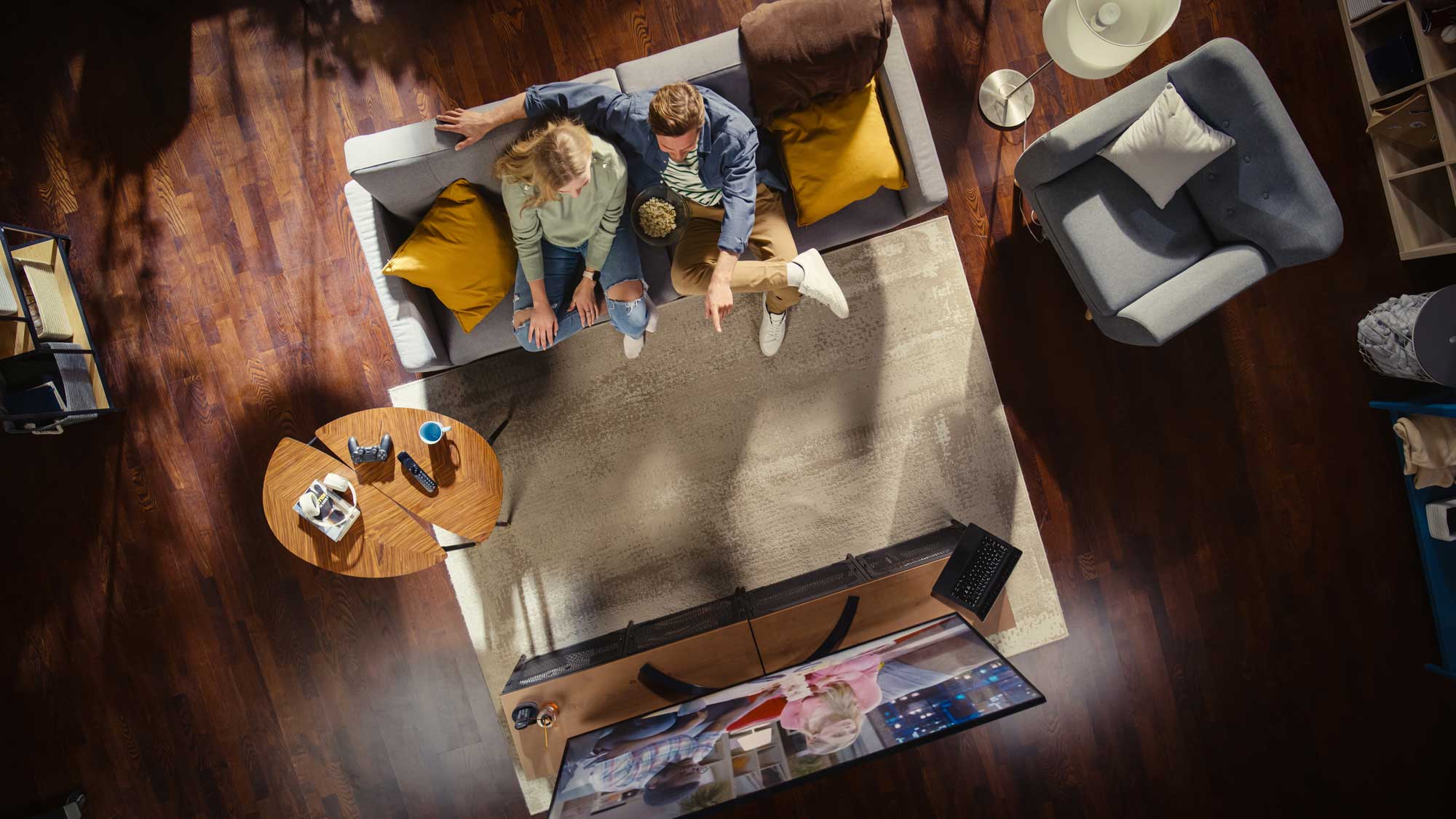
Our images tell the human story of curiosity and connections.
Photography is a core brand element and is used across our touch points, from web and social to sales decks and event design. This page explains how we think about imagery at Cint, and what to look for when you’re choosing it.
Our imagery follows the same principles as the rest of our brand. We keep it authentic, human, relevant, and innovative. Most of our photography lives in one of two pillars: Apex Perspective and Curiosity Moments. The first shows the world from above. The second shows the people inside it.
Together they reflect the way we work, which is at every scale at once.
Our pillars at a glance
Why apex perspective?
The view from above
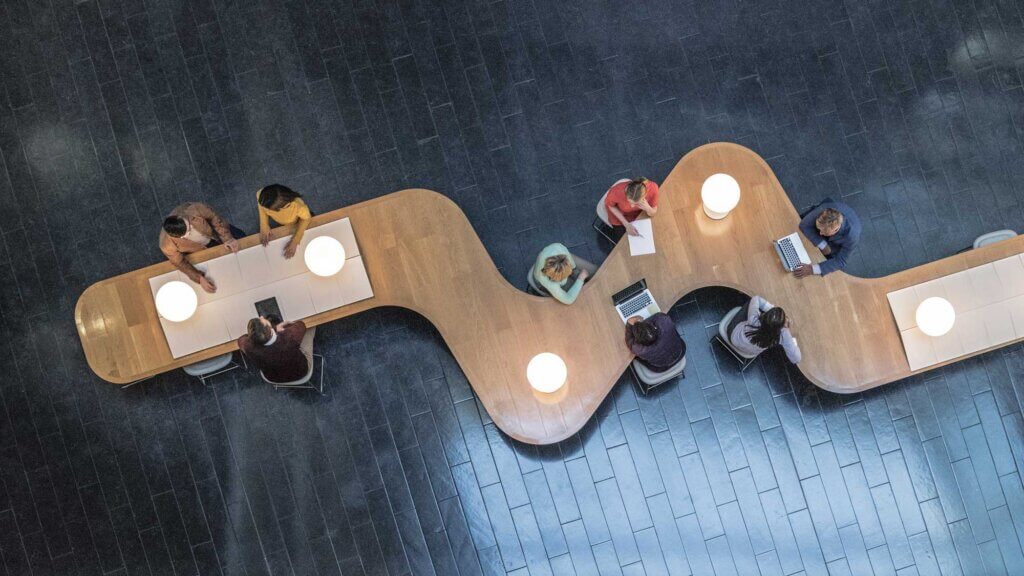
We use overhead photography to show systems, scale, and the patterns of everyday life.
Why curiosity moments?
A sense of wonder
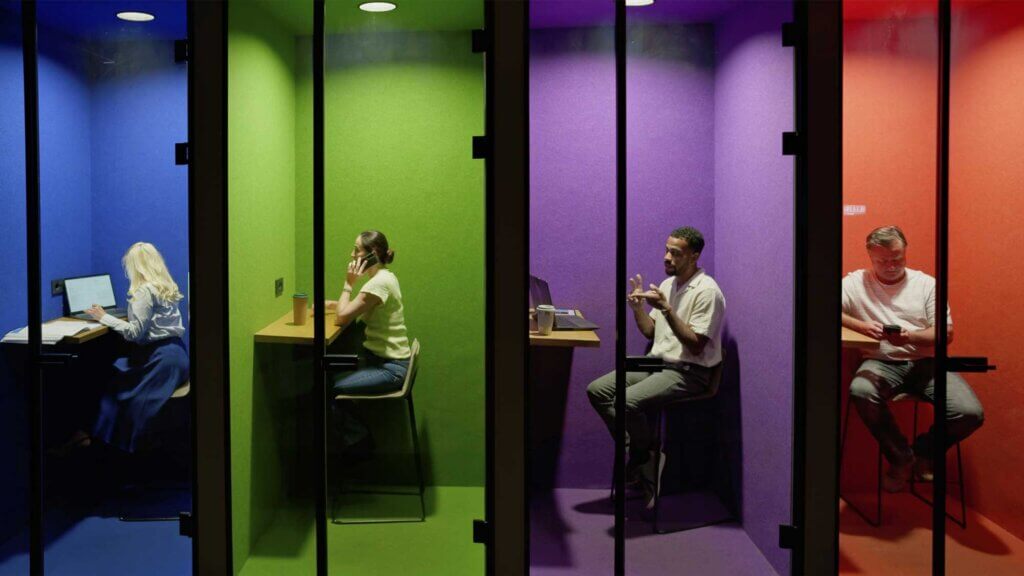
We use ground-level photography to show real people in the act of looking, working, choosing, and noticing
Apex perspective
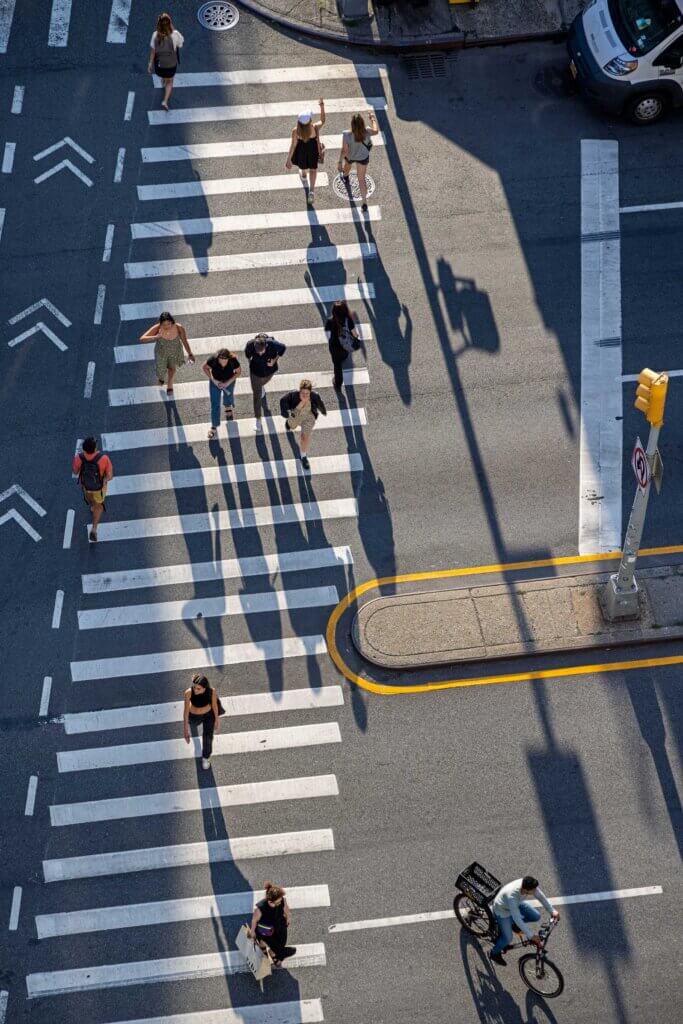
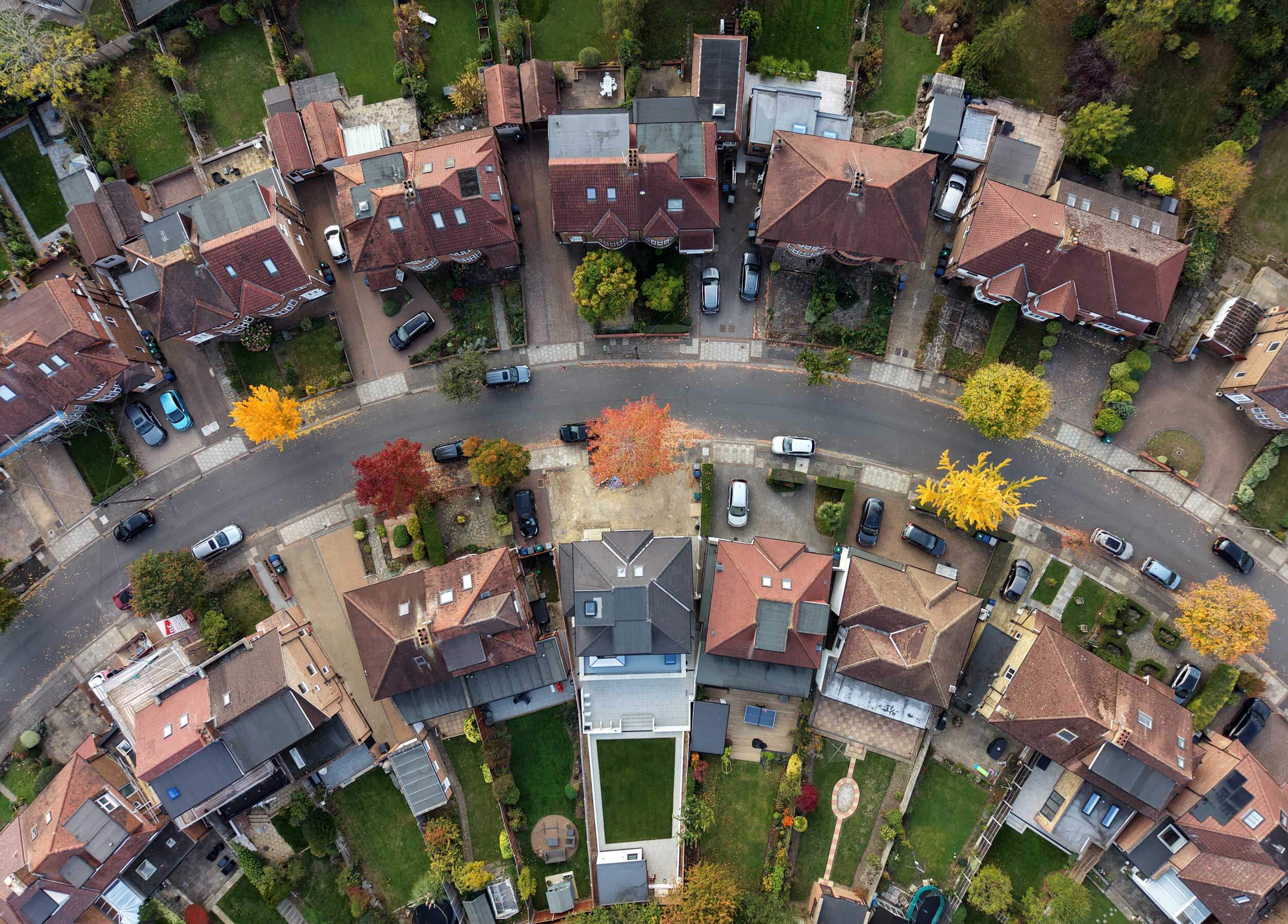
Cint uses aerial photography as a core visual element of our brand identity. We use overhead photography to show the systems people live inside, the patterns their behavior creates, and the scale at which Cint operates. Coastlines, markets, highways, fields, stadiums, container yards. The view from above helps us communicate scope in a way no other angle can.
Reach for apex perspective when the message is about scale, reach, infrastructure, or how individual choices add up to broader patterns.
Why aerial photography?
- Sense of wonder and scale
Wide, sweeping perspectives speak to the vast scale of our platform and the millions of people who use it. - Everything in view
Aerial shots offer clarity and completeness, which aligns with our values of transparency and global reach. - A new perspective
These visuals show the world from a vantage point people don’t often see, which mirrors our unique approach to understanding people at scale. Apex offers unique combinations of patterns, texture and color that can’t be seen at ground level.
Types of aerial photography we use
We use two distinct types of aerial photography, each supporting a specific message about Cint’s value.
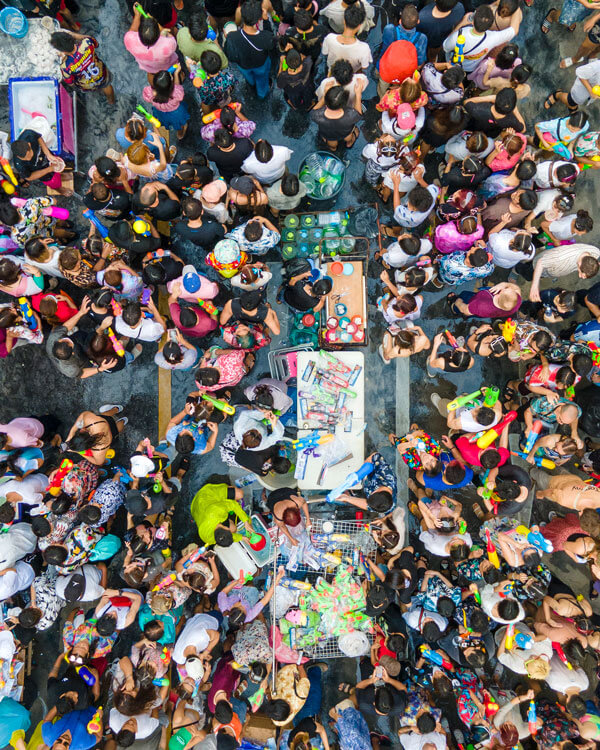
1. Crowds and audiences
Images showing large groups of people from above emphasize the vast reach and scalability of our platform. Millions of real people, all actively contributing insights.
Usage notes
- Choose images that feel authentic and varied.
- Avoid staged or artificial-looking crowd shots.
- Look for a sense of motion or activity, not static formation.
Suggested keywords
- Aerial view of crowd
- Top-down people gathering
- Large group from above
- City street crowd aerial
- Drone shot of public space
2. Focused aerial shots of individuals
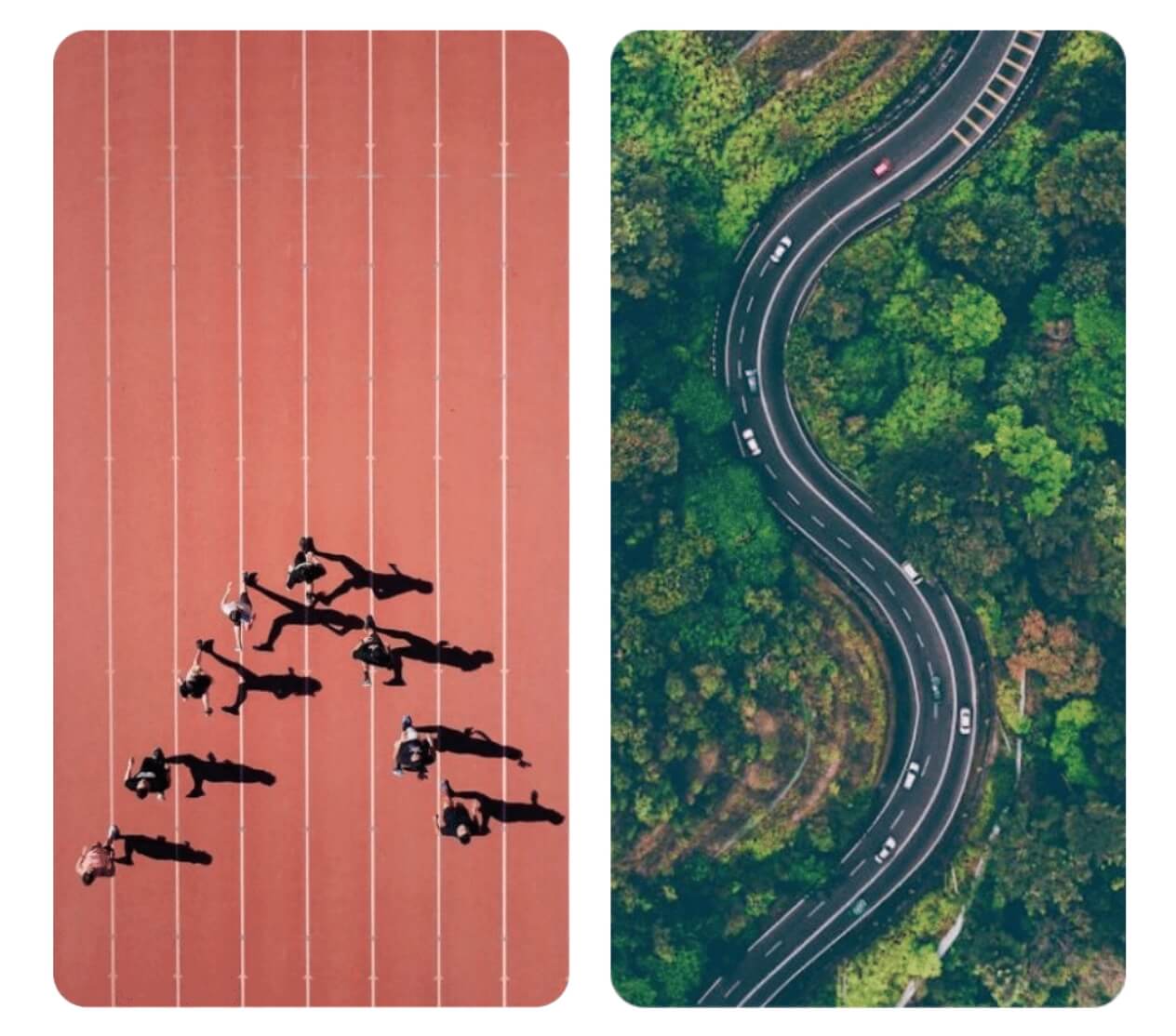
Aerial imagery that captures a single person or a small group within a larger context represents our ability to find and connect with specific, individual people anywhere in the world.
Usage notes
- These images should show individuality within scale.
- Use composition or contrast to highlight the subject without isolating them from the environment.
- The surrounding environment should feel natural and grounded.
Individuals and uniqueness
- Single person aerial view
- Top-down lone figure
- Minimalist human drone shot
- Isolated subject from above
Systems and patterns
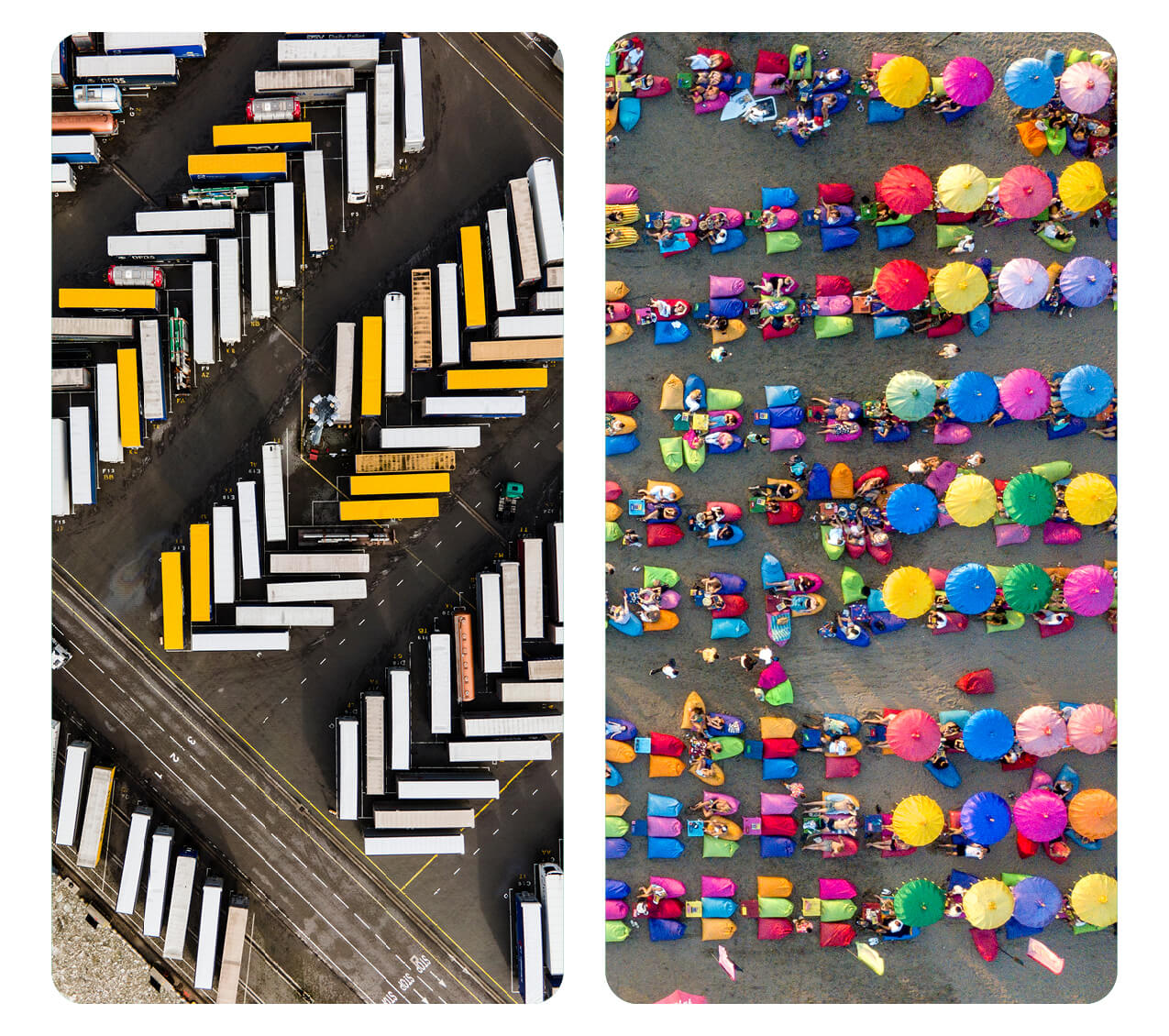
Some of our strongest Apex images aren’t about people at all. They’re about the systems people create. Shipping containers in a port, agricultural fields, pool lanes, market stalls, parked cars at a stadium. Patterns like these emerge naturally when you shoot from above.
Reach for system and pattern imagery when the message is about organization, repetition, infrastructure, or the structure of an industry. These images give us a way to visualize complex systems without resorting to abstract graphics or data visualization metaphors.
Usage notes
- Look for repetition that’s already in the scene, not arranged for the camera.
- Color helps these images land. Shipping containers and produce work especially well.
- People can be present but don’t need to be.
What to look for
Apex angle only: Use top-down (apex) aerial images exclusively. Avoid angled or oblique aerial shots that read as accidental.
Natural color: Look for images where the color is already in the scene. Painted rooftops, colorful markets, blue water, green fields. Avoid images that have been heavily filtered or color-graded.
Strong composition: Choose images with a clear focal point. Negative space is welcome when it serves the composition.
Consistency: Maintain a cohesive look across all imagery to reinforce brand recognition.
Authenticity: Images should feel real and relatable. If a scene looks too perfect, it probably is.
Curiosity moments
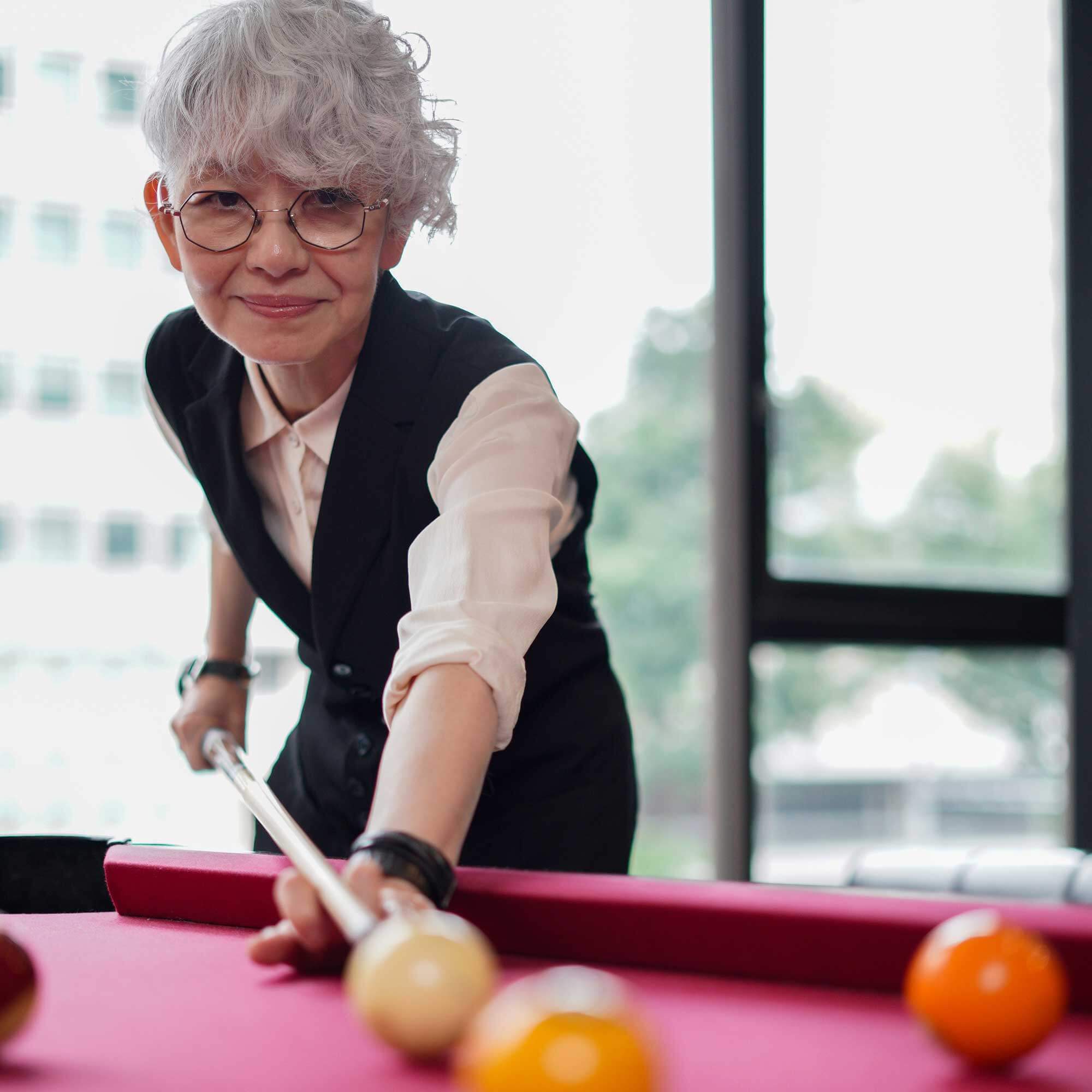
The human element
Our work depends on listening to real people, and our imagery should reflect that. Curiosity moments are ground-level images of real people in the act of paying attention. Working, looking, choosing, deciding, noticing. The moments where you can see someone actually thinking rather than posing for the camera.
This is how we keep the brand human. Where apex perspective shows the system, curiosity moments show the people inside it. Both pillars are required. Apex on its own can feel distant. Curiosity on its own can feel small. Together they make the case that we work at every scale.
Reach for curiosity moments when the message is about individual experience, decision-making, learning, or discovery, or any time you need to ground a broader story in a real person.
Why curiosity moments?
Curiosity is contagious.
A subject who’s engaged with their world pulls the viewer in.
Hooks us in.
People connect with people more than they connect with data points. Unique framing of a subject can offer new perspective and a-ha moments.
It carries real emotion.
Candid moments look authentic and are the most believable. Wonder, focus, discovery, and reflection are feelings stock photography rarely captures well.
What to look for
- Eye-level perspective. The camera meets the subject as an equal.
- Authentic emotion. Look for genuine wonder, focus, or curiosity. Avoid forced expressions and posed gestures.
- Grounded environments. Real places, not studio settings. Workshops, kitchens, fields, shops, public spaces.
- A real activity. Someone holding a tool they actually use, not pointing at a screen for the camera.
- Natural body language. A subject who looks engaged with what they’re doing, not aware of the lens.
- A moment, not a model shoot. If you can imagine the photographer calling out direction, find a different image.
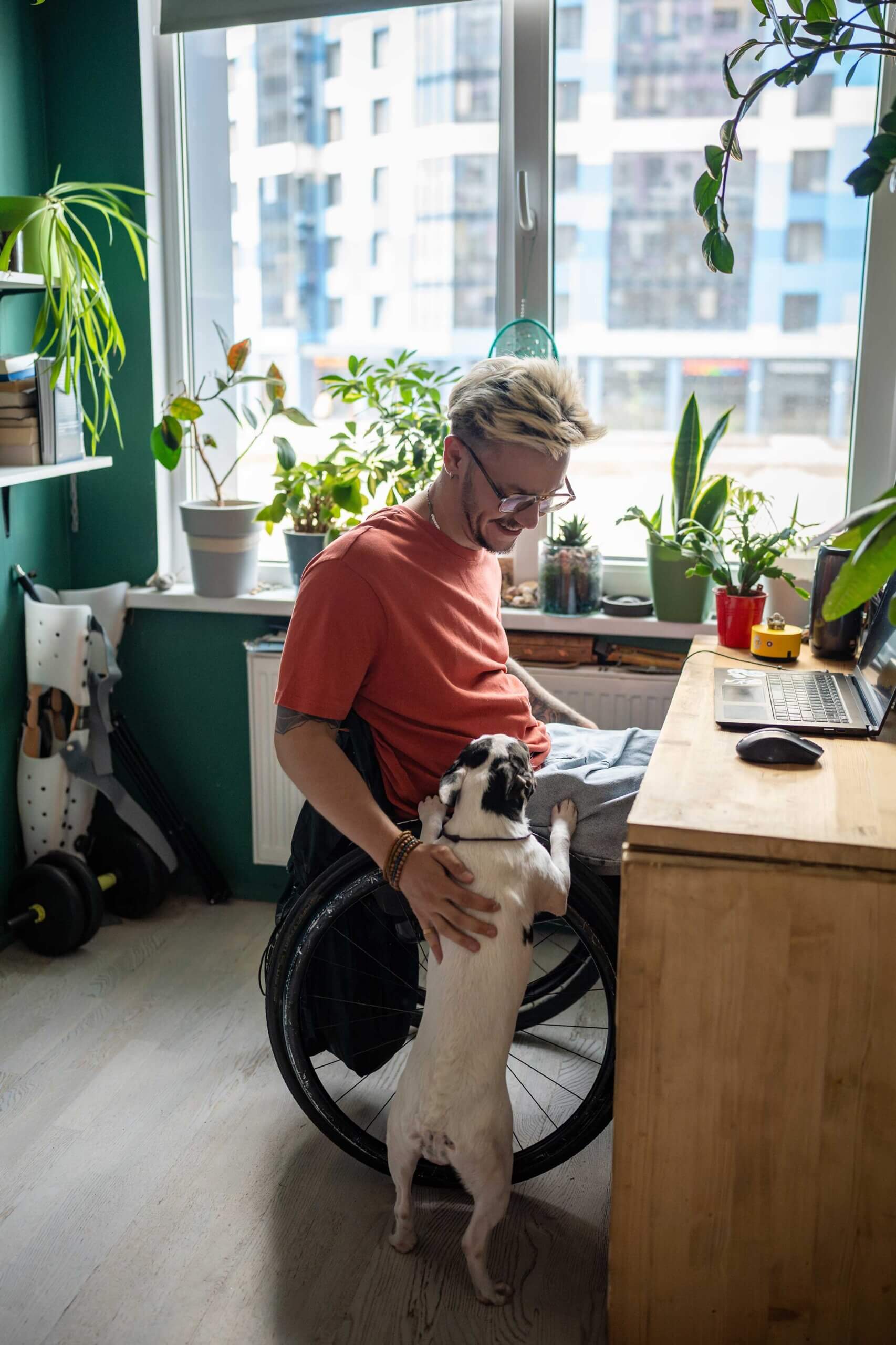
Types of curiosity moments we use

1. People in their element
Ground-level images of a single person absorbed in a real activity. Making, fixing, serving, studying. Our focused aerial shots find the individual from above. These meet them at eye level, close enough to see the attention on their face. Behind every data point is a real person.
Usage notes
- Look for a genuine task in progress, not a pose. The subject should be engaged with the work, not the camera.
- Ground the person in a real place like a workshop, kitchen, shop, or studio, where the setting tells you something about them.
- Choose natural, unforced body language. A held tool, a considered expression, a hand mid-motion.
Suggested keywords
- Craftsperson at work
- Candid portrait in workplace
- Hands-on activity
- Absorbed in a task
- Real profession, real place
2. Moments of discovery
Images of a person gazing out, exploring, or noticing something beyond the frame. These carry the sense of wonder our brand is built on. A reader deep in the stacks, a walker pausing at a view.
Usage notes
- Look for a clear line of attention. The subject should be drawn to something we can sense but may not fully see.
- Favor open, outward-facing settings like a window, a doorway, or a horizon that give the gaze somewhere to go.
- Let rear-facing shots work here when they invite us to look out with the subject, rather than leaving us shut out.
Suggested keywords
- Looking out at the view
- Moment of discovery
- Sense of wonder
- Exploring a space
- Curiosity in action


Suggested keywords
- Authentic emotion
- Human connection
- Sense of adventure
- Candid portrait
- Moment of wonder
- Exploration spirit
- Curiosity in action
- Discovery moment
- Hobby and passion
Framing devices
The strongest Curiosity Moments often use something in the scene to frame the subject. A window, a doorway, the interior of a vehicle, the architecture around a person. These framing devices add depth and remind the viewer that the moment is part of a wider world.
Hero portal crop
One framing approach we’ve developed at Cint is the Hero portal crop: a soft lozenge oval shape, similar to an airplane window.
It reinforces the idea of perspective and exploration, and signals that we’re looking out at the world rather than into a frame. Use it when the message benefits from a sense of looking outward, particularly in hero imagery on web and event design.
Look for windows, doorways, archways, vehicle interiors, or shelving that naturally frames the subject in the original photograph.
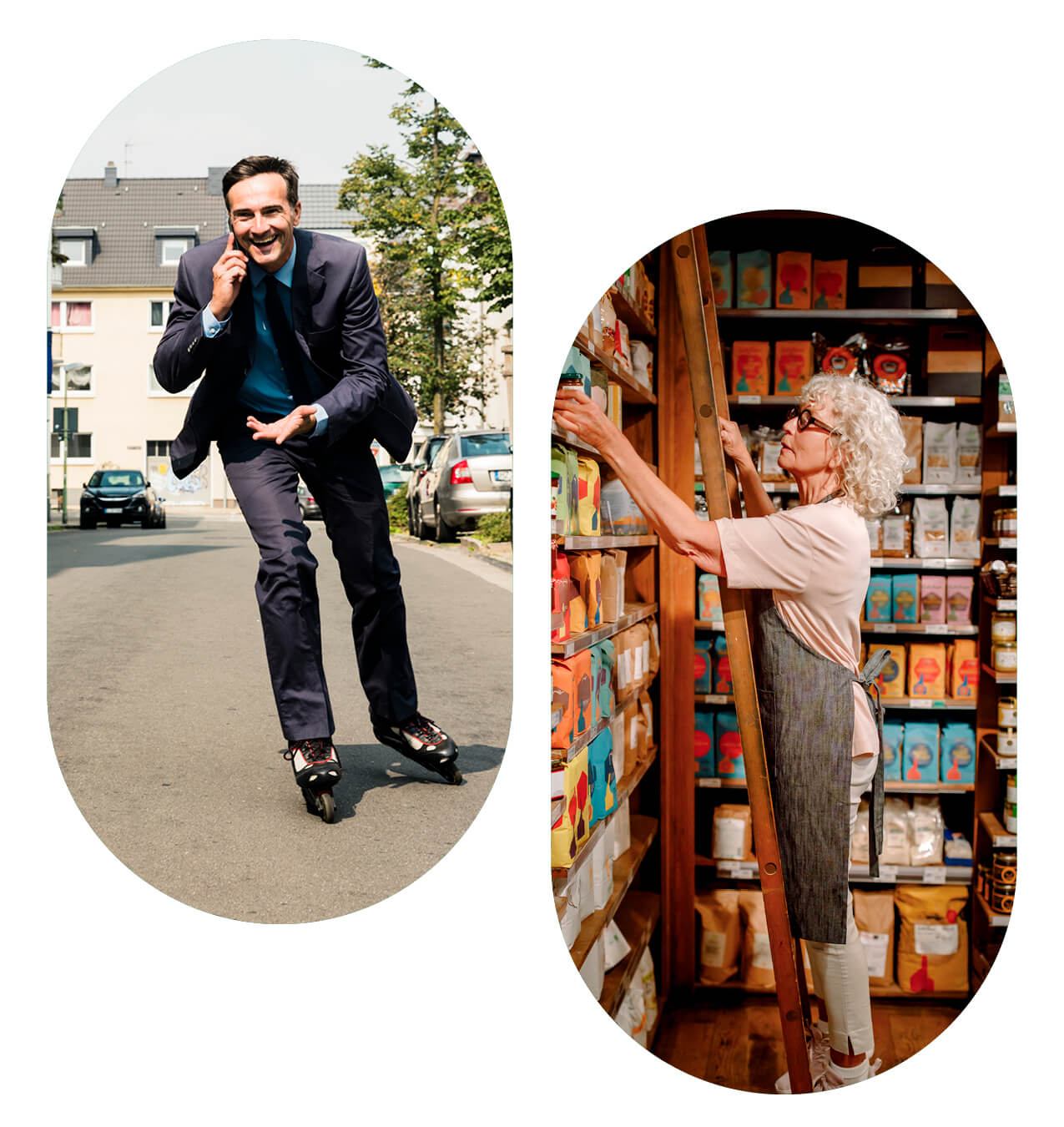
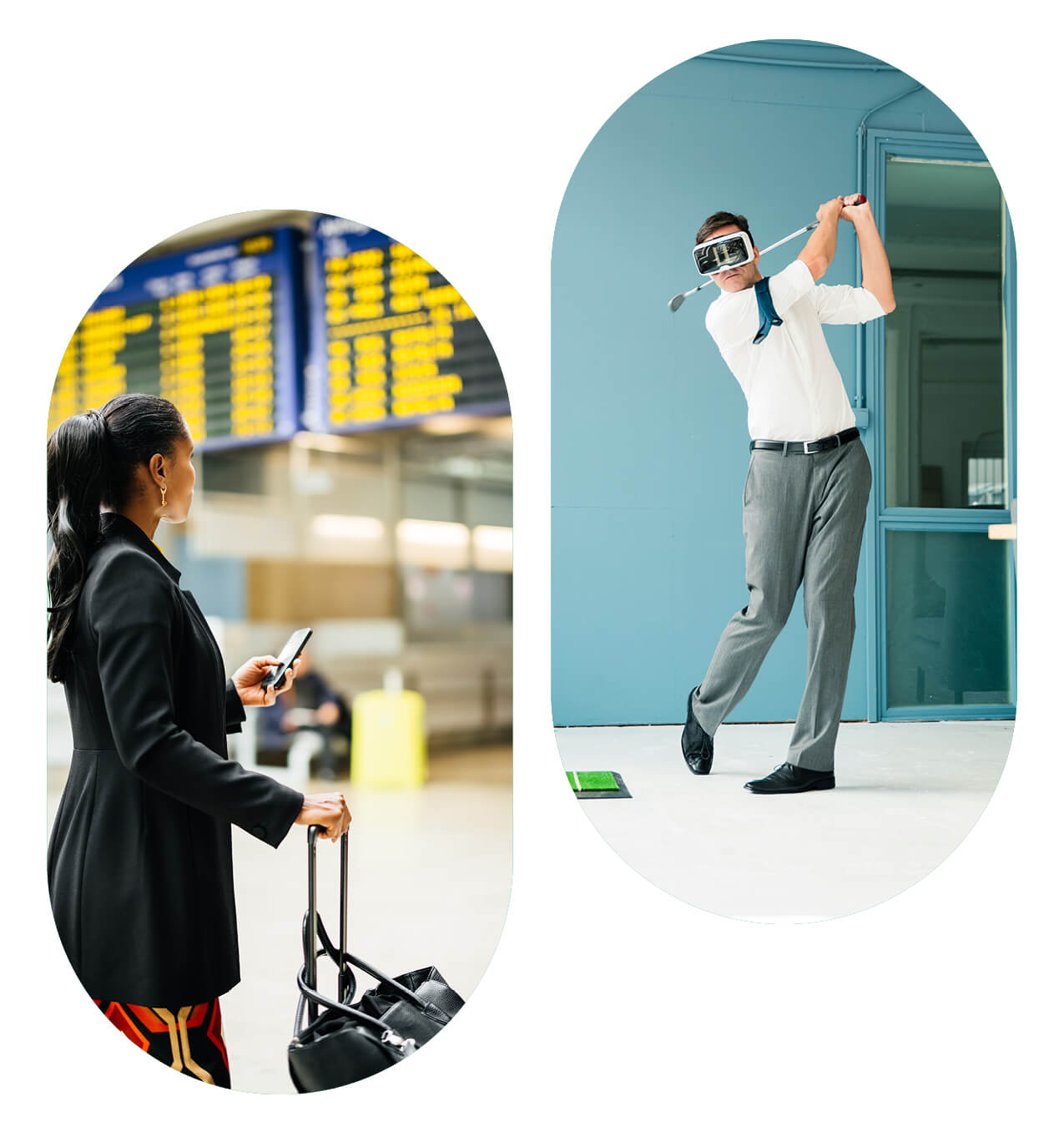
Hero portal usage
Prioritize forward-facing subjects to build human connection, using rear-facing shots only when they actively advance the visual narrative or evoke a sense of wonder and discovery.
Usage notes
- Photos with neutral and consistent backgrounds that are help bring the reader into the environment.
- Look for places you’d enjoy being. (e.g. Surrounded by novels in a bookstore. On a trail looking out onto a grassy meadow.)
- Subjects in these environments are supported by easing colors and shapes and are a good fit for this soft framing device.
- Avoid photos with conflicting lines or hard angles that clash with the soft lozenge shape. They can create trapped space and feel forced.
- People can be present but don’t need to be.
- Never rotate the hero portal since this will diminish the airplane-window motif.
Rounded corners
When the Hero Portal crop isn’t the right fit, we favor soft edges. Rectangular images, frames, and containers in our materials get rounded corners. This keeps the work consistent with the oval crop above and with the rest of our visual language, which leans toward shapes that feel less rigid.
Sharp corners can read as clinical, and our brand sits closer to the people we work with, rather than to the systems we measure. The way we frame imagery should reflect that.
Apply rounded corners across decks, web, and event design. A consistent radius across a single piece of work matters more than picking the perfect value.